

Last updated September 10, 2026
Full 25-point door and opener safety check with every visit - springs, cables, rollers, tracks, and your LiftMaster or Chamberlain opener included
You get a price before we start. It does not change when the truck arrives.
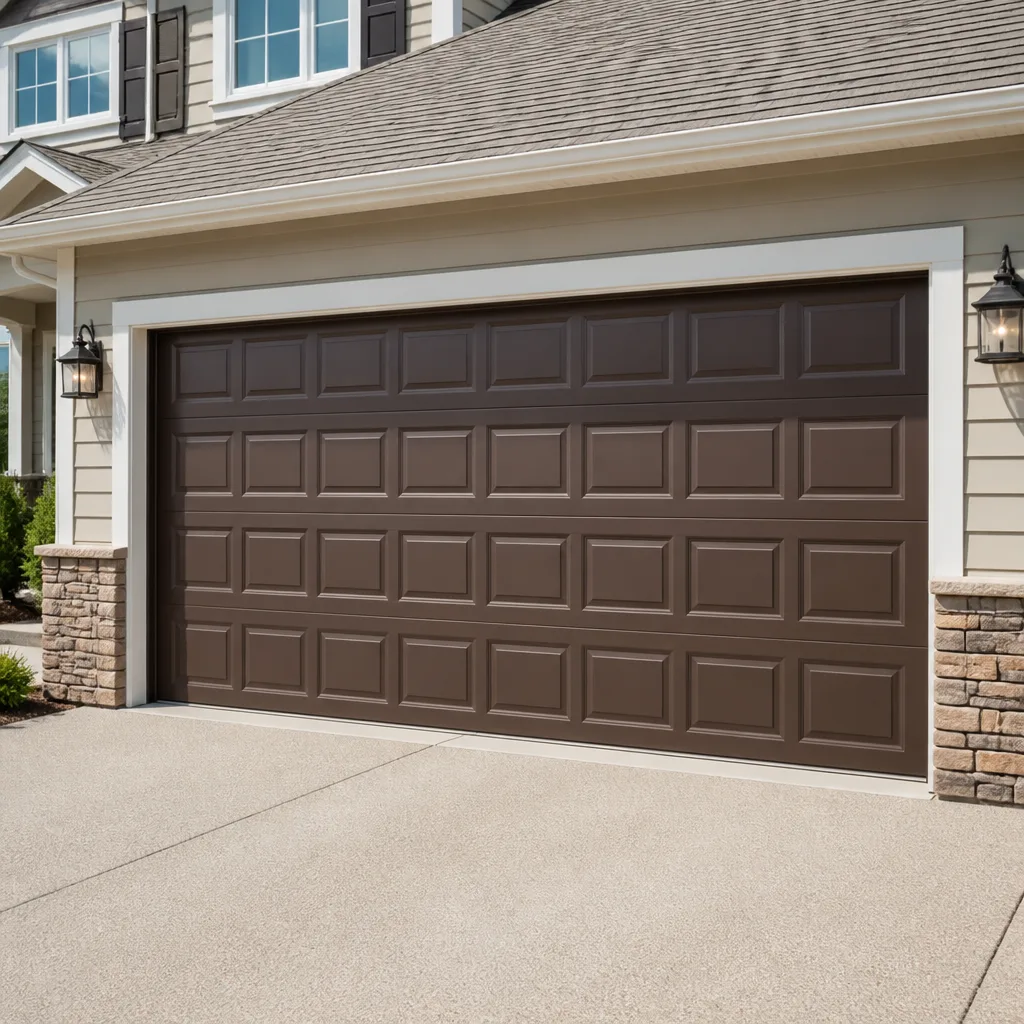
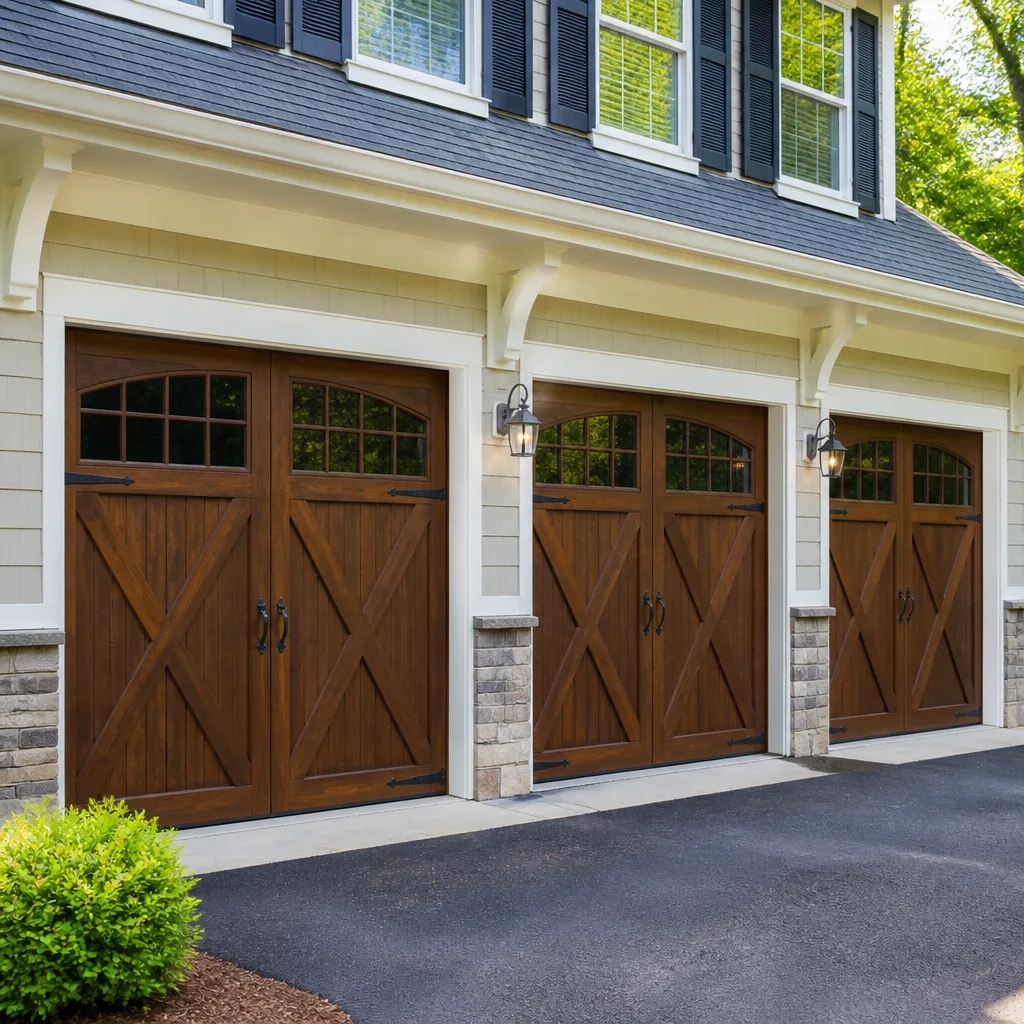
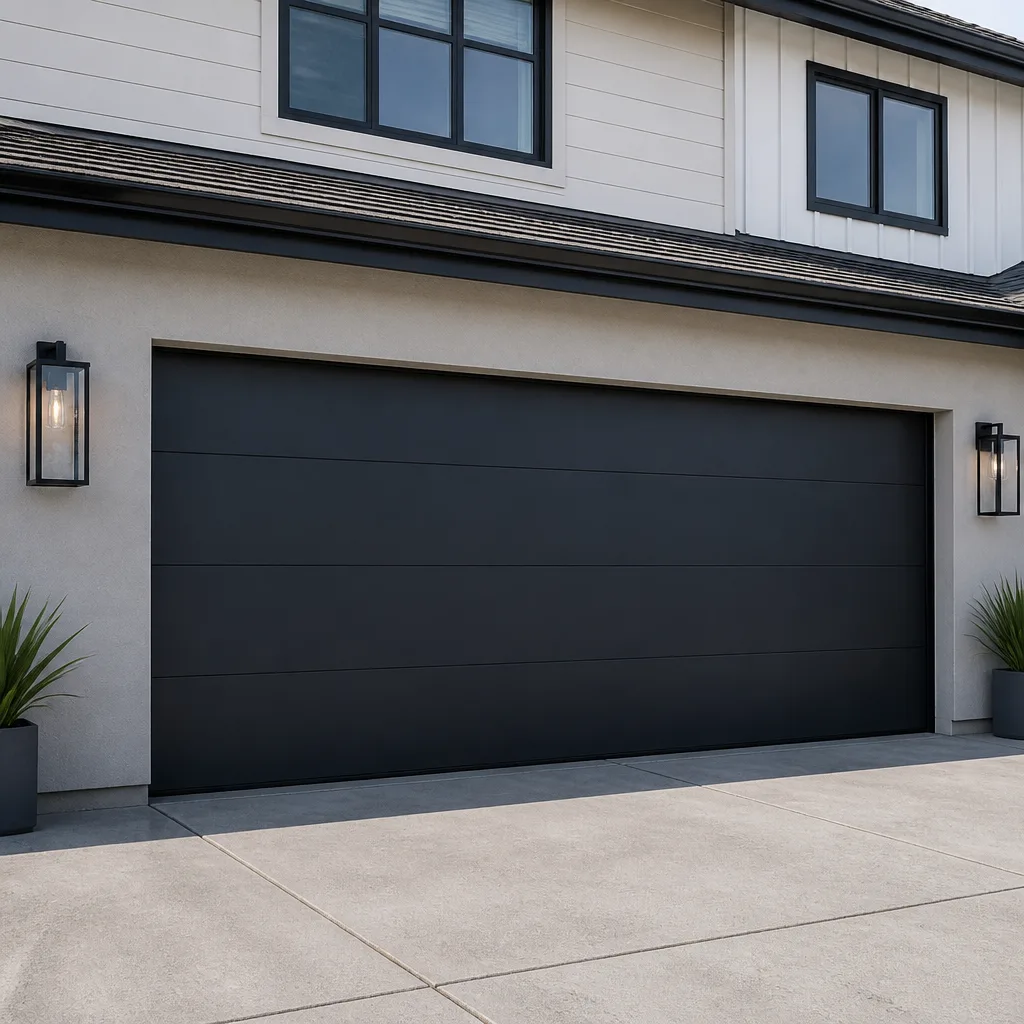
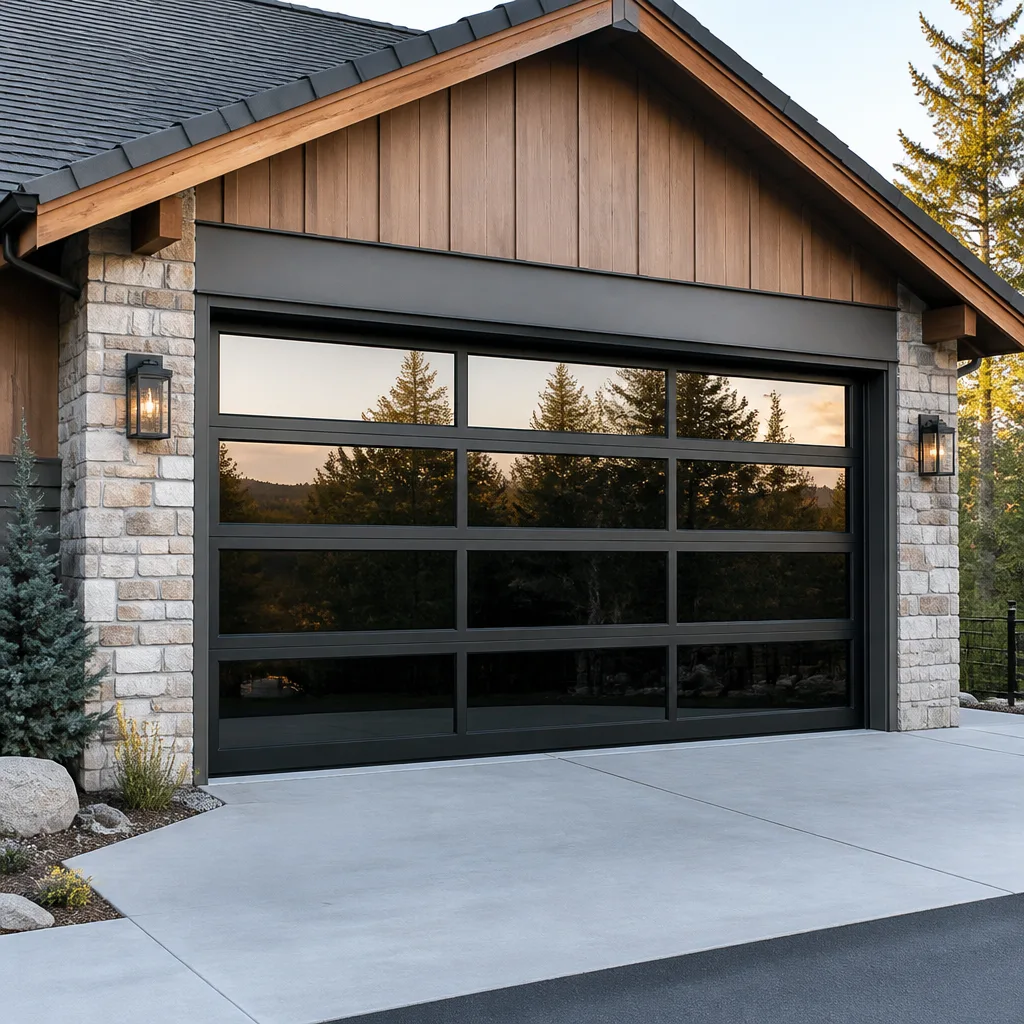
 Before
 After
After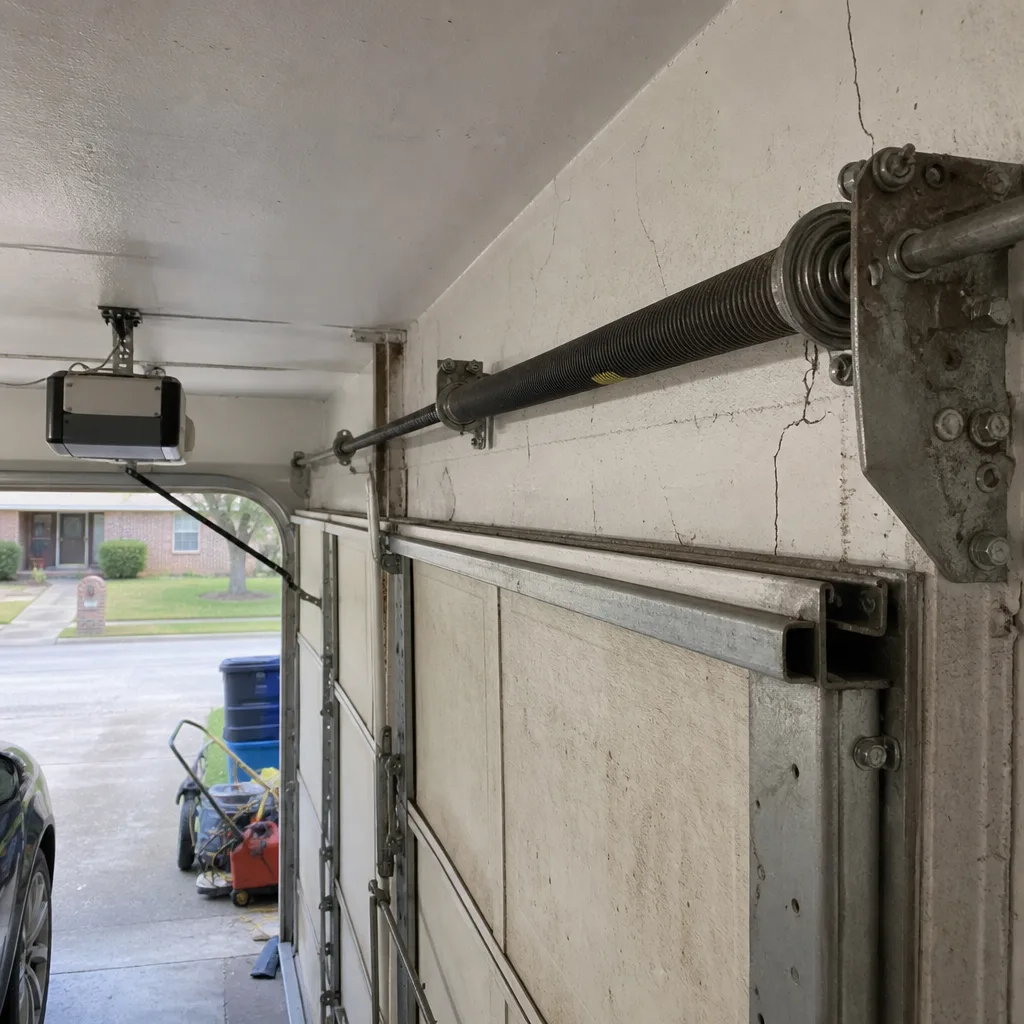 Before
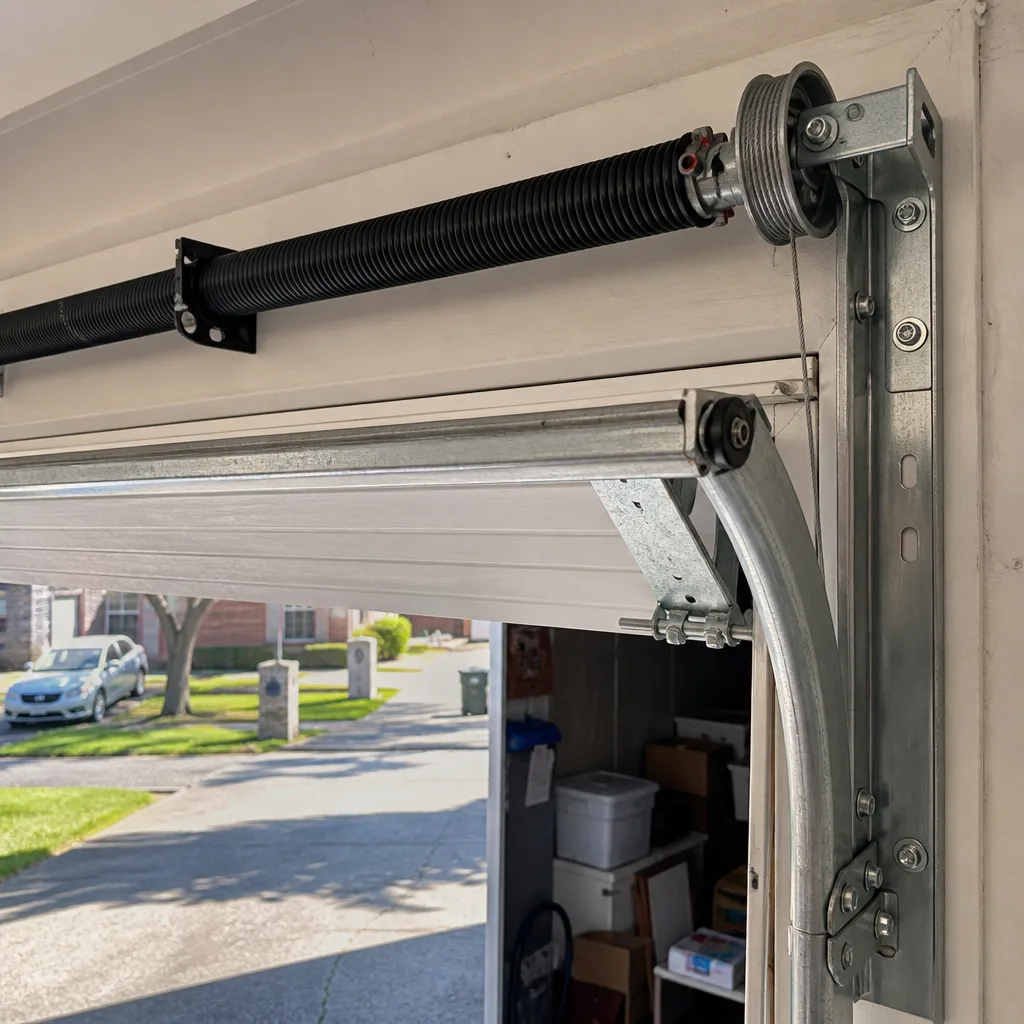 After
After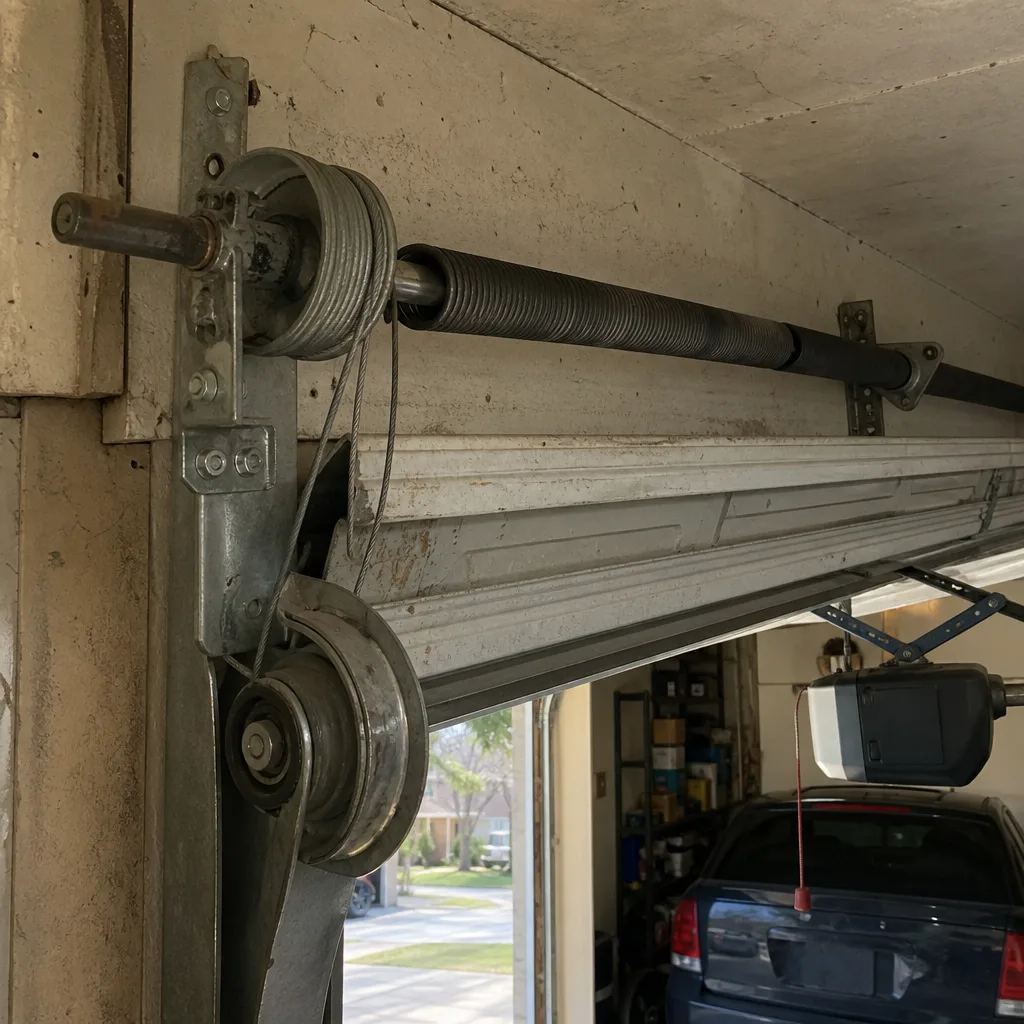 Before
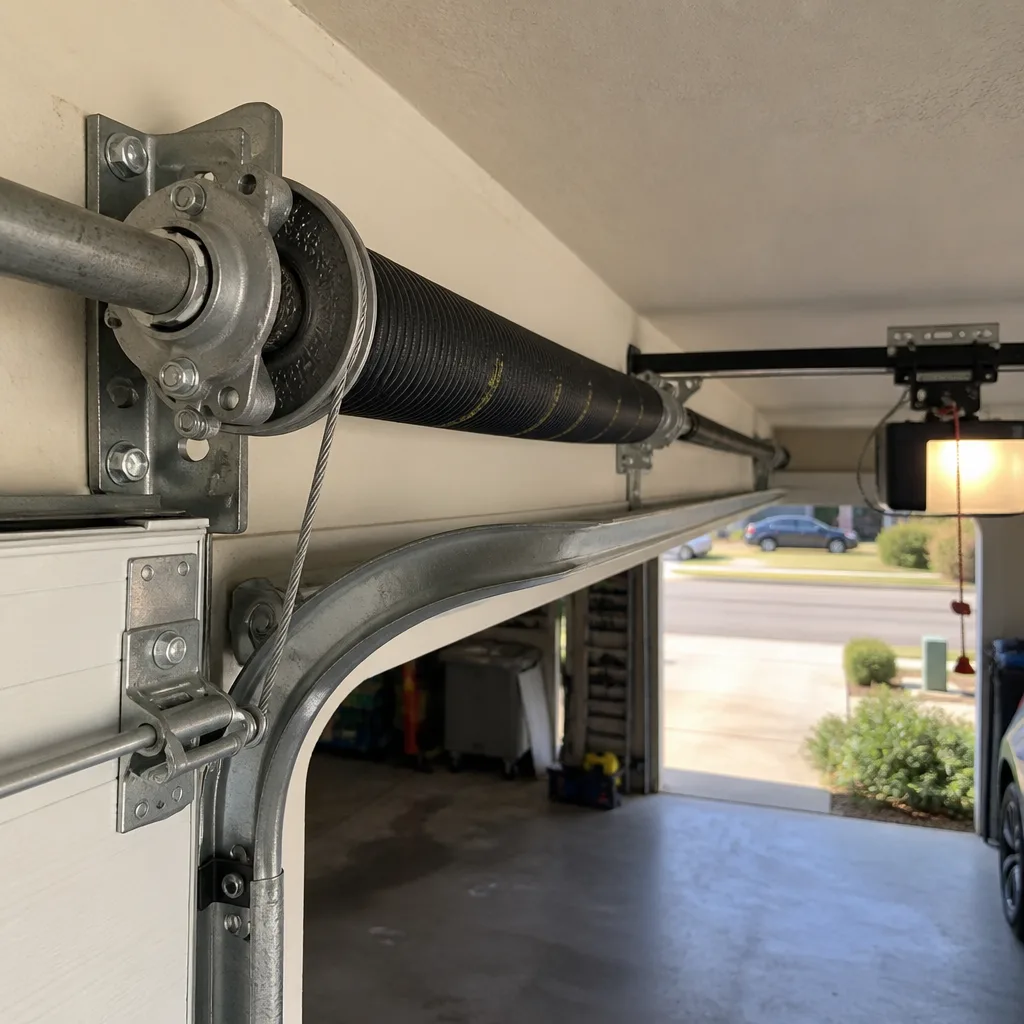 After
AfterGarage Door Cost Breakdown: The Garland Homeowner’s Reference for 2026
The same torsion spring that costs $45 from a supply house gets quoted anywhere from $95 to $350 installed in Garland depending on which truck shows up. The labor to swap it takes the same 45 minutes either way. That spread is not a mystery once you understand where the money actually goes, and this guide walks you through the real 2026 numbers so you can tell a fair quote from a padded one before you sign anything. We will show you the wholesale parts costs, the legitimate reasons labor varies, and what a full door replacement should actually run in a Garland two-car opening.
Quick Answer
Garage door repair in Garland, TX typically costs $150 to $450 for most single-part fixes in 2026, while a full door replacement runs $1,200 to $4,000+ depending on material, insulation, and whether you want a basic steel door or a wood composite with decorative hardware. The single biggest price variable is not the part, it is the markup structure of the company you call, which is why the same spring repair can legitimately range from $150 to $350. A fair 2026 Garland market quote for a torsion spring double-door replacement is $200 to $300 installed.
Table of Contents
- The Parts-Price Floor: What Supply House Invoices Actually Show
- Why Labor Costs Vary: The Legitimate Reasons vs. The Padding
- Full Replacement Cost by Door Type for Garland’s Standard Two-Car Opening
- How to Read a Quote Line by Line
- The Real Cost of Going Cheap: A 10-Year Garland Math Problem
- Common Mistakes to Avoid
- When to Call a Professional
- Frequently Asked Questions
The Parts-Price Floor: What Supply House Invoices Actually Show
Every garage door repair starts with a part. Before you can judge whether a quote is fair, you need to know what that part costs wholesale in 2026. We buy from the same regional supply houses every independent shop in Garland uses, and these are the invoice numbers we see going into 2026. A standard torsion spring set for a seven-foot residential door runs $35 to $55 per pair at cost. Cables are $8 to $15 per set. Rollers, steel or nylon, run $3 to $8 each depending on bearing quality. A bottom seal for a 16-foot door is $12 to $25. A circuit board for a LiftMaster or Chamberlain opener runs $65 to $95 wholesale, and a full replacement opener motor ranges from $180 to $260 for a chain-drive unit to $260 to $340 for a belt-drive.
Here is what those parts actually cost before anyone adds labor:
- Torsion spring (single 7-ft door): $35 to $50 wholesale per spring
- Torsion spring pair (double-car door): $45 to $60 wholesale for the set
- Extension spring set (single door): $25 to $40 wholesale
- Cable set (7-ft door): $8 to $15 wholesale
- Steel rollers (10-pack): $20 to $30 wholesale
- Nylon rollers with ball bearings (10-pack): $40 to $60 wholesale
- Bottom rubber seal (16-ft): $12 to $25 wholesale
- Hinge set (residential, 18-gauge): $15 to $25 wholesale
- Logic board (LiftMaster/Chamberlain): $65 to $95 wholesale
- Chain-drive opener motor (no rail): $180 to $260 wholesale
- Belt-drive opener motor (no rail): $260 to $340 wholesale
Why does this matter? Because when a Garland company quotes you $350 for a spring replacement, and the springs cost $50, someone is charging $300 for 45 minutes of skilled labor plus truck overhead plus a markup. That is not automatically a ripoff. A company with a live person answering the phone at 9 p.m., a stocked truck, insurance, and a trained tech who can safely handle 200 pounds of stored spring tension has real fixed costs. But when the same job gets quoted at $95 by someone working out of a sedan with no license and no insurance, you are not getting a bargain, you are getting a gamble. We will get into that math shortly.
If you are wondering what a full opener replacement should cost, the answer involves the motor, the rail, the sensors, and installation labor. For a full breakdown of opener pricing specific to Garland, see our Garage Door Opener in Garland page.
Why Labor Costs Vary: The Legitimate Reasons vs. The Padding
Labor is where most Garland homeowners get confused, because the same job can legitimately cost different amounts from different companies. The legitimate reasons start with the door itself. A single torsion spring on a seven-foot, single-layer steel door is a 30-minute job. A double spring on a 16-foot insulated door takes longer and costs more for the springs themselves. A commercial-weight door, even on a house with an oversized opening, requires heavier springs and more care. If you have a Wayne Dalton TorqueMaster or a Raynor with a specific spring system, the parts cost more and the technician needs to know what they are doing.
Here is what legitimately moves the labor number:
- Single vs. double spring: A single-car door has one spring. A two-car door typically has two. Double the springs, more labor time, more parts cost.
- Door weight: A steel single-layer door weighs about 130 pounds. An insulated double-layer or wood composite can weigh 200 to 400 pounds. Heavier doors need heavier springs, and the tension adjustment takes more time and more care.
- Same-day emergency vs. scheduled: If your spring breaks at 7 a.m. and you need the car out by 8 a.m., that is emergency labor. If you can wait until Tuesday, the same job gets scheduled at normal rates. Most Garland shops, including us, do not charge a separate emergency fee, but emergency work often costs more because the truck has to drop everything and come now.
- Opener replacement complexity: Swapping a belt-drive opener on a vaulted ceiling with a side mount requires more time than a standard chain-drive on a flat ceiling. The opener itself matters too. A LiftMaster side-mount costs more than a basic Chamberlain chain-drive, and the labor reflects the install difficulty.
Then there are the illegitimate reasons, the ones that inflate a quote without adding any value. A national franchise with a call center, a fleet of wrapped vans, and a regional advertising budget has overhead that gets passed to you in the form of a $350 spring swap. A local shop with a published address and an owner who answers the phone has lower fixed costs and, in our experience, generally quotes $200 to $300 for the same double-spring job in Garland. Trip-charge padding is another one. Some companies quote a low repair price, then add a $79 “diagnostic fee” on top of the labor. Read the quote. If the diagnostic fee is not clearly stated, ask about it before the truck arrives.
A third padding tactic is the lump-sum quote. Instead of listing “springs: $55, labor: $165, total: $220,” they give you a single number with no breakdown. We will cover how to read these in the quote section below, but the short version is: a legitimate shop has no problem showing you the line items. If they will not itemize, that is a flag.
For more detail on how repair pricing works in Garland specifically, head over to our full Garage Door Repair in Garland page.
Full Replacement Cost by Door Type for Garland’s Standard Two-Car Opening
A full door replacement in Garland is a different animal from a repair, and the price spread is wider because the material choices vary dramatically. Garland’s standard two-car opening is 16 feet wide by 7 feet tall, and every door in this section assumes those dimensions unless noted. The table below gives you the 2026 installed price range for the four door types we install most often, including labor and haul-away of the old door.
Here is the breakdown, with installation labor included and old-door haul-away included:
- Steel single-layer, non-insulated: $1,200 to $1,800 installed. This is the builder-grade door. It does the job. It is loud, it dents fairly easily, and it has almost no insulation value. In a Garland summer, an uninsulated west-facing garage becomes an oven. If your garage is attached and you park two cars in it every day, this door is the cheapest option and you will feel that choice in August.
- Steel double-layer, insulated (polystyrene or polyurethane): $1,800 to $2,800 installed. This is the sweet spot for most Garland homes. The insulation keeps the garage noticeably cooler, the door is quieter, and the panels resist dents better. If we are installing into a neighborhood where the HOA cares about appearance, this is the door we recommend most often.
- Steel triple-layer with polyurethane core (Clopay or Amarr premium lines): $2,800 to $3,800 installed. This is the top end of steel. The door is quieter still, the panel strength is meaningfully better, and the R-value is high enough that an attached garage stays within a few degrees of the house. For a detached workshop or a garage with a heat source, this is the call.
- Carriage-house wood composite or solid wood (Clopay Reserve, Amarr Classica): $3,500 to $4,500+ installed. This is the looker. It transforms the front elevation of the house and adds real curb appeal. The tradeoff is weight and maintenance. Solid wood doors need periodic refinishing, and in Garland’s heat-and-rain cycling, the composite options hold up better than solid wood. The labor is higher too, because the door is heavier and the hardware needs more careful alignment.
What moves the number within each range? Window inserts add $200 to $500 depending on quantity and style. Decorative hardware, which a lot of Garland homes with carriage-house styling want, adds $150 to $400. Insulation upgrades within a door line, like going from R-6 to R-12 or R-18, add $200 to $600. And if your opening is not a standard 16×7, or if the framing needs repair, that adds labor. We have seen openings in older Garland neighborhoods, particularly around the 1950s-era homes south of downtown, where the header has sagged and needs shoring before a new door can go in. That is a separate line item and a competent installer will flag it before the install, not discover it mid-job and hand you a change order.
One more thing on replacement cost: any legitimate Garland installer should quote the price before the visit and hold that number at the door. We quote on the phone, and when Otto shows up, he is holding the same number he gave you on the call. If a company cannot do that, ask why.
For the full walkthrough of what a new door install involves in Garland, including measurement steps and scheduling, see our Garage Door Installation in Garland page.
How to Read a Quote Line by Line
Most Garland homeowners do not get cheated on the big number. They get cheated on the line items, because a lump-sum quote hides the markup. A legitimate itemized estimate for a spring replacement looks like this:
- Parts: torsion spring pair, 7-ft residential: $55
- Labor: spring replacement and balance, 45-60 min: $165
- Total: $220
That is it. Two lines. If the quote has a line for “diagnostic fee,” that is a third line, and a fair one, if it was disclosed before the visit and is folded into the labor if you proceed with the repair. What you do not want to see is a single line that says “Garage door repair: $399” with no parts listed, no labor listed, and no explanation of what is actually wrong. That quote is designed to obscure the markup and make comparison shopping impossible.
Here is how to read any garage door quote in Garland, step by step:
- Look for line items. If there is only one line and it is a round number, ask for a breakdown. A shop that will not itemize is hiding something. There is no other reason to refuse.
- Check the parts description. “Spring replacement” is fine. “Spring replacement, pair, 7-ft residential, 0.250 wire” is better. The gauge and size tell you the tech actually measured the door. A parts line that just says “parts” is a red flag.
- Confirm the labor rate. Ask what the shop’s hourly rate is. In Garland, independent shops run $90 to $150 per hour for skilled door work in 2026. A quote that implies $400 per hour of labor is padding something else in. A spring replacement should not be billed at more than one hour of labor.
- Verify the warranty. A legitimate shop puts their warranty in writing. Springs should carry at least a 1-year parts warranty, and many carry 3-year. Labor should be guaranteed for 90 days minimum. If the quote says “no warranty” or the warranty is vague, that tells you everything.
- Ask about the trip charge. Some Garland companies charge $49 to $79 just to show up, credited toward the repair if you proceed. Others, including us, do not charge a trip fee inside our home county at all. If you are quoted a trip charge, ask if it is credited toward the repair. If it is not, that is a pure add-on.
Our standing offer is a free second opinion on any written estimate, no trip charge inside our county. We will come look at the door, look at the quote you got from the other company, and tell you honestly whether that number is fair. Sometimes it is. We have told homeowners that before. When it is not, we will show you the line items.
If what you are actually dealing with is an opener issue, not a door issue, the quote structure is different. Openers have more parts and more variation. For the full run-down on opener cost specifics, visit our Garage Door Opener in Garland guide.
The Real Cost of Going Cheap: A 10-Year Garland Math Problem
Here is the math nobody does until the second repair bill arrives. A $299 builder-grade door installed by the lowest bidder might save you $500 today, but over ten Garland summers, the cheap door costs more than the good one. This is not opinion. It is arithmetic, and it works like this.
A single-layer steel door has no insulation and thin panels. In Garland, where we get sustained 95-plus degree days from June through September, that door expands and contracts every single day. The panels warp slightly over time. The hinges take more stress. The rollers wear faster because the door is out of square. By year three or four, you are replacing rollers and tightening hinges. By year six, the bottom seal is cracked from the heat and you are paying $150 for a seal replacement. By year eight, the cables are fraying from the uneven load and you are paying $250 for cables and a re-balance. Add it up: the cheap door has cost you $300 to $500 in repairs, and it is still an uninsulated door that makes your garage 110 degrees in August.
The $799 insulated door, installed correctly, has a very different trajectory. The panels hold their shape. The insulation keeps the door cooler, which reduces thermal expansion stress. The nylon rollers that come standard on better doors do not wear the same way. By year ten, the insulated door has needed a spring replacement, which every door needs regardless of quality because springs have a cycle life, and that is it. Total repair spend over ten years: $250 to $350, plus lower energy costs if your garage is attached, because the insulated door is not pumping 110-degree air against your interior wall.
The gap widens when you factor in the opener. A cheap door that is out of square makes the opener work harder. A LiftMaster or Chamberlain opener that is pulling against a warped, heavy, unbalanced door burns through its gear faster and dies at year five instead of year ten. The opener that came with the house and worked fine with the old door suddenly strains, and the homeowner thinks the opener is the problem. Most of the time, the door is the problem. If the opener is straining, the issue is almost never the opener. It is the door pulling against the opener.
And the cheapest option of all, the one where a guy in a truck replaces the spring for $95 with parts of unknown origin, has a floor of negative value. Unmarked springs with no visible gauge, no brand name, and no cycle rating are the kind we see fail in 18 months. A quality spring from a named manufacturer, installed and balanced correctly, lasts 10,000 to 20,000 cycles. On a typical Garland home where the door opens three or four times a day, that is seven to ten years. The $95 repair that fails in two years has cost you more per year than the $250 repair that lasts eight.
If you want to understand the full repair cost landscape across Garland, our complete Garage Door Repair in Garland page covers it.
Common Mistakes to Avoid
- Accepting a lump-sum quote with no itemization. A single round number hides the markup. Ask for parts, labor, and any fees listed separately. If the company refuses, call someone else.
- Buying a door based on price per square foot. The installed price is what matters. A door that costs $300 less at the supply house can cost more installed if the install crew has never worked with that brand or the hardware requires more labor.
- Ignoring the spring cycle rating. Springs are rated in cycles, not years. A 10,000-cycle spring and a 20,000-cycle spring look nearly identical and cost $15 more for the better one. Insist on knowing the rating. This is the single most overlooked spec on a Garland repair quote.
- Skipping the insulation upgrade on an attached garage. In Garland’s climate, the uninsulated door is the one decision you will regret every July and August for the next decade. The $300 to $500 upgrade pays for itself in comfort and reduced stress on the door and opener.
- Paying a diagnostic fee on top of the repair without a prior disclosure. A fair shop credits the diagnostic toward the repair if you proceed. If the fee is non-refundable and non-credited, that is a padding tactic.
- Not asking who answers the phone after the repair is done. A company with a call center and a corporate entity is not going to send the owner back to your house when something is wrong at month one. A locally owned shop with a published address and a name on the license will. Ask the question before you sign the work order, not after.
When to Call a Professional
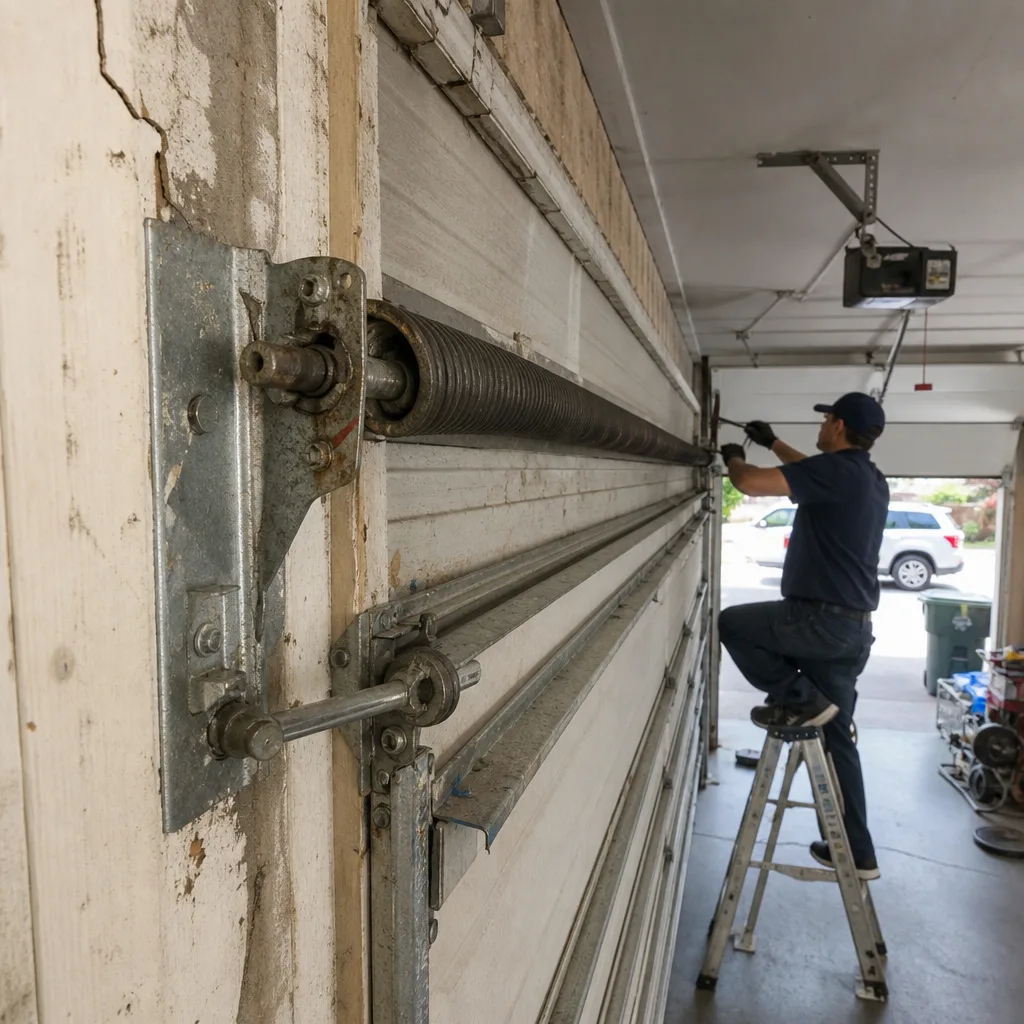
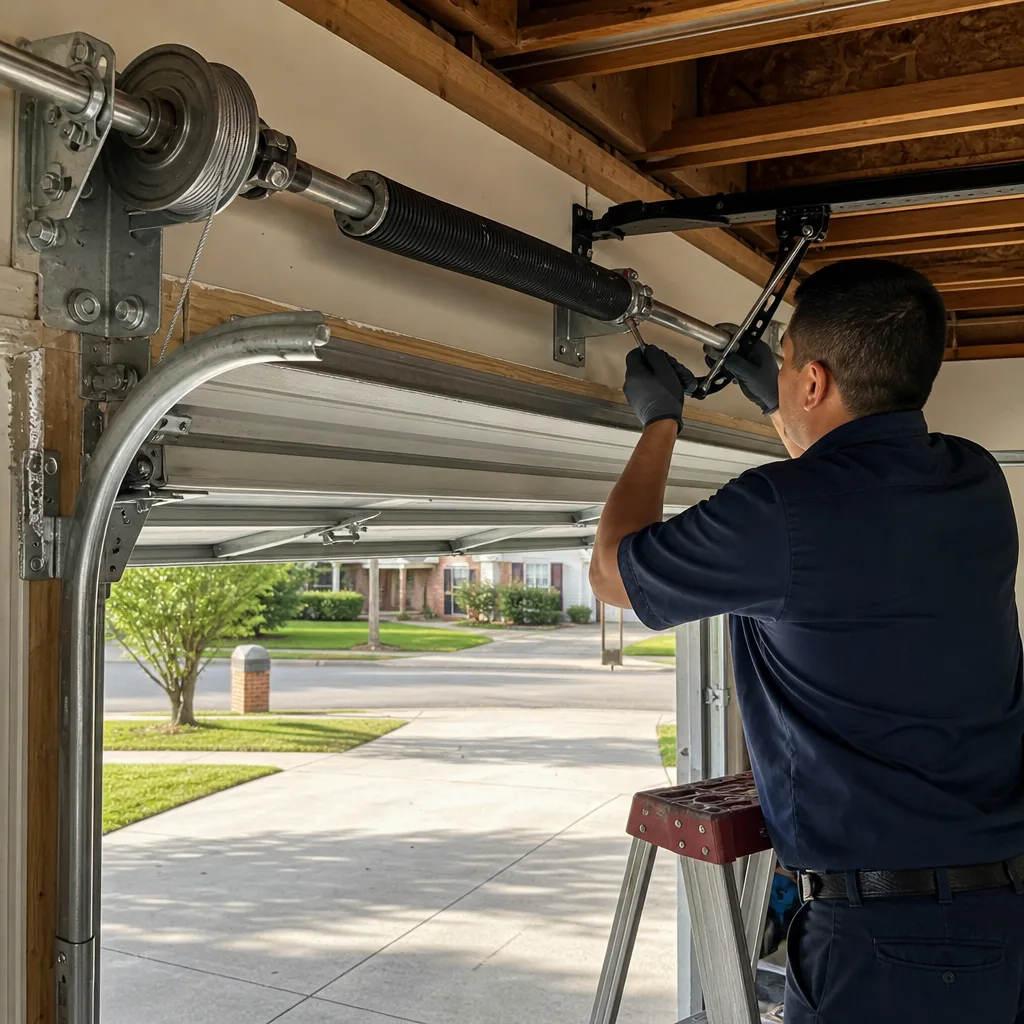
Torsion springs carry a dangerous amount of stored energy. When one lets go, the release is violent, and the potential for serious arm or face injury is real. This is the one repair where no amount of YouTube confidence justifies the risk. Cables under tension are the same story. If you see a frayed cable or a spring that has snapped, stop. Do not touch the door. Do not try to move it. Release the opener from the door and call someone who does this work daily.
A 200-pound door riding on two springs deserves respect. The springs are the only thing holding that weight up, and they are under constant load even when the door is closed. Otto has been doing this work in Garland since 2004, and he still treats every spring job with the seriousness it warrants. If your door is not moving right, making noise, or hesitating on the way up, call us before it fails completely. Otto’s Garage Door offers free estimates in Garland. Call (945) 202-2600 and a live person will answer, day or night.
For the complete repair service breakdown in Garland, including what we fix and how fast we can get there, see our Garage Door Repair in Garland page.
Frequently Asked Questions
Most single-part garage door repairs in Garland run $150 to $450 in 2026, with torsion spring replacement on a double door typically landing between $200 and $300 installed by a reputable local shop. The part itself costs $45 to $60 wholesale, and the rest is skilled labor, truck overhead, and a fair margin. Minor fixes like bottom seal replacement or a single roller swap fall at the low end, while logic board replacement or opener motor replacement pushes toward the higher end. Call (945) 202-2600 for an exact quote on your door, estimates are free.
A full garage door replacement in Garland runs $1,200 to $4,500 installed in 2026, depending on the door type. A basic steel single-layer costs $1,200 to $1,800, an insulated double-layer runs $1,800 to $2,800, a premium triple-layer runs $2,800 to $3,800, and a carriage-house wood composite starts around $3,500. Window inserts, decorative hardware, and insulation upgrades add to the total. The price you are quoted on the phone should be the price you pay when the install is done, and any legitimate company will hold that number.
Yes, same-day garage door repair is available in Garland for most common issues, especially spring failures and cable breaks. Because we carry springs, cables, rollers, seals, and opener parts on the truck, the majority of repairs are completed on the first visit. A live person answers the phone 24/7, so if a spring lets go at 9 p.m. and your vehicle is trapped inside, call us and we will get there. The repair itself typically takes 45 to 90 minutes once the tech arrives.
No, the price quoted on the phone should not change when the technician arrives, unless the scope of the job is genuinely different from what was described. A reputable Garland shop quotes the job on the call and holds that number at the door. If the quote was for a single spring and the tech finds a second spring that is also about to fail, that is a scope change and should be discussed before any additional work is done. We quote on the phone, and Otto holds the number he gave you when he gets there.
Yes, our trucks carry torsion springs in multiple sizes, cables, rollers, hinges, bottom seals, and common opener parts so most Garland repairs are completed in a single visit. A shop that has to make a supply-house run for basic parts is either not stocking their trucks or not doing enough volume to justify inventory. Either way, you are paying in time. For a standard spring replacement, cable fix, or seal swap, expect the repair to be done in one trip.
No, and this is not a matter of skill level, it is a matter of stored energy. A torsion spring holds enough force to break bones or worse if it releases uncontrolled. The winding and unwinding requires specialized bars and specific technique, and getting it wrong means a hospital visit or a damaged door. This is the one repair where the professional recommendation is absolute: call someone who does this work every day, with insurance and a warranty behind them. Call us at (945) 202-2600 and we will handle it safely.
The Bottom Line
Garage door pricing in Garland ranges from $150 for a minor repair to $4,500 for a top-end carriage-house replacement, and the spread is explained by three things: what the part costs wholesale, what the labor actually takes, and how much markup the company you called adds on top. A fair 2026 spring replacement is $200 to $300. A fair double-layer insulated door is $1,800 to $2,800 installed. Anything wildly outside those ranges deserves scrutiny, and a lump-sum quote with no line items deserves a hard pass. The cheapest bid is almost never the cheapest over ten Garland summers, and the company that will not show you the parts line is showing you something else instead.
Written by Otto Reinhardt, Owner at Otto’s Garage Door, serving Garland since 2004.